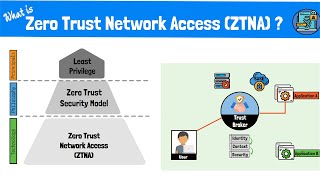
At a Glance: NIST is a non-regulatory agency within the federal government tasked with promoting technology, measurement science, and ... IBM Security QRadar EDR → IBM Security X-Force Threat Intelligence Index 2023 ...
Zero Trust Architecture Explained The 7 Pillars You Must Know - System Summary
Technical Overview
NIST is a non-regulatory agency within the federal government tasked with promoting technology, measurement science, and ... IBM Security QRadar EDR → IBM Security X-Force Threat Intelligence Index 2023 ... Traditional security models worked when everyone was inside the office network.
Integration Notes
Authentication Context related to Zero Trust Architecture Explained The 7 Pillars You Must Know.
Directory Details
Directory Access Notes about Zero Trust Architecture Explained The 7 Pillars You Must Know.
What to Check First
Implementation Considerations for this topic.
Important details found
- NIST is a non-regulatory agency within the federal government tasked with promoting technology, measurement science, and ...
- IBM Security QRadar EDR → IBM Security X-Force Threat Intelligence Index 2023 ...
- Traditional security models worked when everyone was inside the office network.
Why this topic is useful
Readers often search for Zero Trust Architecture Explained The 7 Pillars You Must Know because they want a clearer explanation, related examples, and a practical way to continue exploring the topic.
What to Check First
What does Zero Trust Architecture Explained The 7 Pillars You Must Know usually refer to?
Zero Trust Architecture Explained The 7 Pillars You Must Know usually relates to authentication, directory access, identity handling, or system integration context within a technical environment.
Can this information vary between systems?
Yes. LDAP, SSO, directory access, and identity configurations can vary by provider, software version, and enterprise policy.
What does Zero Trust Architecture Explained The 7 Pillars You Must Know usually refer to?
Zero Trust Architecture Explained The 7 Pillars You Must Know usually relates to authentication, directory access, identity handling, or system integration context within a technical environment.