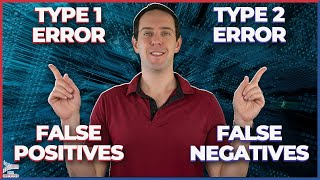
Quick Summary: True Positive, True Negative, False Positive and False Negative EXPLAINED ML Basics is a set of videos intended to introduce you to some basic math concepts we'll refer to later on.
True Positive True Negative False Positive False Negative Explained - Technical Overview
System Summary
True Positive, True Negative, False Positive and False Negative EXPLAINED ML Basics is a set of videos intended to introduce you to some basic math concepts we'll refer to later on. datascience In this video, we cover the definitions that revolve around classification evaluation -
Identity Management Context
Authentication Context related to True Positive True Negative False Positive False Negative Explained.
System Reference Notes
Directory Access Notes about True Positive True Negative False Positive False Negative Explained.
Useful Admin Notes
Implementation Considerations for this topic.
Important details found
- True Positive, True Negative, False Positive and False Negative EXPLAINED
- ML Basics is a set of videos intended to introduce you to some basic math concepts we'll refer to later on.
- datascience In this video, we cover the definitions that revolve around classification evaluation -
- Statistical tools are amazing at helping us understand the world around us.
Why this topic is useful
Readers often search for True Positive True Negative False Positive False Negative Explained because they want a clearer explanation, related examples, and a practical way to continue exploring the topic.
Useful Admin Notes
Can this information vary between systems?
Yes. LDAP, SSO, directory access, and identity configurations can vary by provider, software version, and enterprise policy.
What does True Positive True Negative False Positive False Negative Explained usually refer to?
True Positive True Negative False Positive False Negative Explained usually relates to authentication, directory access, identity handling, or system integration context within a technical environment.
Can this information vary between systems?
Yes. LDAP, SSO, directory access, and identity configurations can vary by provider, software version, and enterprise policy.