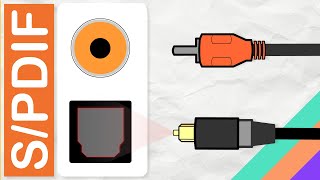
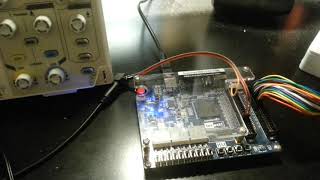
Quick Summary: WM8804 Toslink S/PDIF controled by an FPGA (Nexys3) via I2C&I2S combo. This is the first part of what I hope will become a series in which I show the progress I make in implementing a synthesizer in a ...
S Pdif Output Using An Fpga - Access Overview
Overview
WM8804 Toslink S/PDIF controled by an FPGA (Nexys3) via I2C&I2S combo. This is the first part of what I hope will become a series in which I show the progress I make in implementing a synthesizer in a ... This , Arvid Tomayko shows us an audio interface trick to synchronize two separate audio interfaces
Directory Access Context
Whoops, I said analog to digital when I meant digital to analog, but nevermind. The Crazy Old Coot shows how to connect your computer to a Home Theater System
Important Access Notes
Directory Access Notes about S Pdif Output Using An Fpga.
Practical Setup Notes
Implementation Considerations for this topic.
Important details found
- WM8804 Toslink S/PDIF controled by an FPGA (Nexys3) via I2C&I2S combo.
- This is the first part of what I hope will become a series in which I show the progress I make in implementing a synthesizer in a ...
- This , Arvid Tomayko shows us an audio interface trick to synchronize two separate audio interfaces
- Whoops, I said analog to digital when I meant digital to analog, but nevermind.
- The Crazy Old Coot shows how to connect your computer to a Home Theater System
Why this topic is useful
Readers often search for S Pdif Output Using An Fpga because they want a clearer explanation, related examples, and a practical way to continue exploring the topic.
Practical Setup Notes
What related areas should be checked?
Related areas may include user provisioning, access control, directory synchronization, login security, and authentication policies.
What should administrators verify first?
Administrators should confirm server settings, authentication flow, directory mapping, user permissions, and any security policy requirements.
What related areas should be checked?
Related areas may include user provisioning, access control, directory synchronization, login security, and authentication policies.