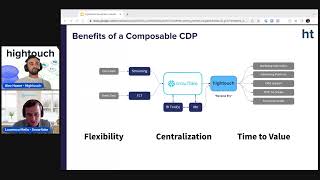
Quick Summary: Operationalize your enriched warehouse data by replicating it directly into Salesforce for deeper analytics and more valuable ... Here we walk through an example of how to use your analytics data to better engage with customers.
Reverse Etl On Snowflake How To Set Up Hightouch On Snowflake For Beginners - Technical Overview
System Summary
Operationalize your enriched warehouse data by replicating it directly into Salesforce for deeper analytics and more valuable ... Here we walk through an example of how to use your analytics data to better engage with customers. How we improved our Traits feature to empower all teams to target new audiences.
Identity Management Context
Authentication Context related to Reverse Etl On Snowflake How To Set Up Hightouch On Snowflake For Beginners.
System Reference Notes
Directory Access Notes about Reverse Etl On Snowflake How To Set Up Hightouch On Snowflake For Beginners.
Useful Admin Notes
Implementation Considerations for this topic.
Important details found
- Operationalize your enriched warehouse data by replicating it directly into Salesforce for deeper analytics and more valuable ...
- Here we walk through an example of how to use your analytics data to better engage with customers.
- How we improved our Traits feature to empower all teams to target new audiences.
Why this topic is useful
A structured page helps reduce disconnected snippets by grouping the main subject with context, examples, and nearby entries.
Useful Admin Notes
Can this information vary between systems?
Yes. LDAP, SSO, directory access, and identity configurations can vary by provider, software version, and enterprise policy.
What does Reverse Etl On Snowflake How To Set Up Hightouch On Snowflake For Beginners usually refer to?
Reverse Etl On Snowflake How To Set Up Hightouch On Snowflake For Beginners usually relates to authentication, directory access, identity handling, or system integration context within a technical environment.
Can this information vary between systems?
Yes. LDAP, SSO, directory access, and identity configurations can vary by provider, software version, and enterprise policy.