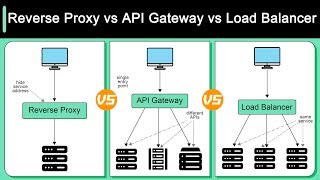
Main Takeaway: Weekly system design newsletter: Checkout our bestselling System Design Interview books: Volume 1: ... Download FREE Guides - AWS Cheat Sheet covering 129 services Become an AI Powered ...
Load Balancer Vs Reverse Proxy Vs Api Gateway Explained - System Summary
Technical Overview
Weekly system design newsletter: Checkout our bestselling System Design Interview books: Volume 1: ... Download FREE Guides - AWS Cheat Sheet covering 129 services Become an AI Powered ... Check out Lunar.dev: ======⚡⚡⚡====== What is the difference between an
Integration Notes
Authentication Context related to Load Balancer Vs Reverse Proxy Vs Api Gateway Explained.
Directory Details
Directory Access Notes about Load Balancer Vs Reverse Proxy Vs Api Gateway Explained.
What to Check First
Implementation Considerations for this topic.
Important details found
- Weekly system design newsletter: Checkout our bestselling System Design Interview books: Volume 1: ...
- Download FREE Guides - AWS Cheat Sheet covering 129 services Become an AI Powered ...
- Check out Lunar.dev: ======⚡⚡⚡====== What is the difference between an
- Get a Free System Design PDF with 158 pages by subscribing to our weekly newsletter: Animation ...
Why this topic is useful
This topic is useful when readers need a quick overview first, then want to move into supporting details and related references.
What to Check First
What does Load Balancer Vs Reverse Proxy Vs Api Gateway Explained usually refer to?
Load Balancer Vs Reverse Proxy Vs Api Gateway Explained usually relates to authentication, directory access, identity handling, or system integration context within a technical environment.
Can this information vary between systems?
Yes. LDAP, SSO, directory access, and identity configurations can vary by provider, software version, and enterprise policy.
What does Load Balancer Vs Reverse Proxy Vs Api Gateway Explained usually refer to?
Load Balancer Vs Reverse Proxy Vs Api Gateway Explained usually relates to authentication, directory access, identity handling, or system integration context within a technical environment.