Quick Summary: The typical strategy of many interested in privacy is to jump to products like protonmail or tutanota. Or should we be using a product like Mimecast, Sophos, Proofpoint, or Ironscales?
Email Security - Technical Overview
System Summary
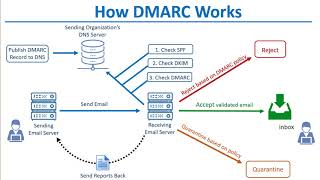
The typical strategy of many interested in privacy is to jump to products like protonmail or tutanota. Or should we be using a product like Mimecast, Sophos, Proofpoint, or Ironscales? DMARC, DKIM and SPF are three protocols that are widely used as enhanced
Identity Management Context
In this tutorial, we explain how SPF, DKIM & DMARC work to protect your Register for FREE Infosec Webcasts, Anti-casts & Summits – Webcast Slides ...
System Reference Notes
Directory Access Notes about Email Security.
Useful Admin Notes
Implementation Considerations for this topic.
Important details found
- The typical strategy of many interested in privacy is to jump to products like protonmail or tutanota.
- Or should we be using a product like Mimecast, Sophos, Proofpoint, or Ironscales?
- DMARC, DKIM and SPF are three protocols that are widely used as enhanced
- In this tutorial, we explain how SPF, DKIM & DMARC work to protect your
- Register for FREE Infosec Webcasts, Anti-casts & Summits – Webcast Slides ...
Why this topic is useful
Readers often search for Email Security because they want a clearer explanation, related examples, and a practical way to continue exploring the topic.
Useful Admin Notes
Can this information vary between systems?
Yes. LDAP, SSO, directory access, and identity configurations can vary by provider, software version, and enterprise policy.
What does Email Security usually refer to?
Email Security usually relates to authentication, directory access, identity handling, or system integration context within a technical environment.
Can this information vary between systems?
Yes. LDAP, SSO, directory access, and identity configurations can vary by provider, software version, and enterprise policy.